Loquat Tree SEEDS Heirloom – Delicious Fruit – Eriobotrya japonica #3
$ 55.02
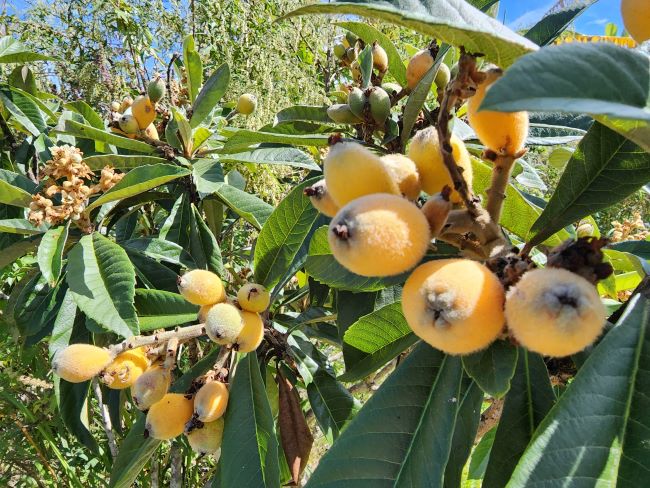
Loquat Tree SEEDS Heirloom – Delicious Fruit – Eriobotrya japonica #3Grow your own sweet, juicy loquats at home with these heirloom, untreated Loquat Tree seeds (Eriobotrya japonica). This fast‑growing, evergreen fruit tree produces clusters of deliciously sweet golden fruit, often twice a year in warmer climates. Originating from the cooler hill regions of China, the loquat has been cultivated for over a thousand years and is now grown worldwide for its ornamental beauty and tasty fruit.Loquat trees are remarkably adaptable – they thrive in subtropical regions like QLD and also perform well in temperate climates across NSW, VIC, and SA. With good soil and growing conditions, you can expect your first fruit within 4–5 years from seed. Beyond the fruit, the broad, leathery, dark‑green leaves can be harvested, dehydrated, and brewed into a delicious, immune‑boosting tea – I love blending them with other leaves and flowers from my food forest for an everyday healthy brew.Uses:Fresh Eating: Enjoy the sweet, tangy fruit straight from the tree. The orange‑fleshed fruit has a flavour reminiscent of apricot, peach, and citrus.Culinary: Use loquats in jams, jellies, pies, tarts, sauces, and chutneys. They also make a wonderful addition to fruit salads and desserts.Loquat Leaf Tea: Harvest mature leaves, dry them, and steep in hot water for a soothing, antioxidant‑rich tea traditionally used to support respiratory health.Ornamental: Loquat trees are attractive, dense, bushy trees with broad, glossy leaves that add beauty to any garden or landscape.Nutrients & Health Benefits:Loquats are packed with protective plant compounds and have been used in traditional medicine across Asia for centuries. Research has documented numerous health benefits of Eriobotrya japonica, including its antioxidant, anti‑inflammatory, antidiabetic, and heart‑protective properties.Rich in Carotenoids: Loquats contain powerful carotenoid pigments including beta‑carotene, lutein, and zeaxanthin, which give the fruit its rich orange colour. These compounds have strong cellular‑protective effects and may help reduce the risk of certain cancers, heart disease, and age‑related eye conditions.High in Antioxidants: Research suggests loquat fruits contain as many as 349 active substances, including phenolic acids, flavonoids, and terpenoids. These compounds help boost your body’s antioxidant defenses and protect against cellular damage.Anti‑inflammatory: Loquat extracts have been shown to exhibit notable anti‑inflammatory activity, helping to reduce inflammation and support overall health.Supports Heart Health: The carotenoids in loquats may protect against atherosclerosis (plaque buildup in the arteries) by reducing oxidative stress and decreasing the inflammatory response linked to heart disease.Loquat Leaf Benefits: In traditional Chinese medicine, loquat leaves have been used to relieve coughs and promote expectoration. Modern research shows that loquat leaves, fruit, kernels, and flowers can help prevent cardiovascular diseases, cancer, and other chronic conditions.Bioactive Compounds: The leaves contain high levels of flavonoids and phenolic compounds that contribute to their antioxidant and anti‑inflammatory activities. Leaf extracts have demonstrated significant antioxidant and anti‑diabetic effects.Note: Always do your own research before using any plant medicinally or making significant dietary changes. The information provided is for educational purposes only. Loquat seeds (pits) are inedible and should be removed before eating the fruit.Growing & Sowing Tips:Loquats are easy to grow from seed, though patience is required. Follow these steps for the best results:Prepare seeds: Loquat seeds germinate best when fresh. If not planting immediately, wrap seeds in a damp paper towel and store in a cool place to prevent drying out. Soaking seeds in water for 24 hours before sowing will help speed up germination.Start in trays or pots: Use a well‑draining potting mix – a soilless mix with peat moss (or coconut fibre), perlite, and pine bark works well. Plant seeds about 2–3 cm deep, placing them horizontally.Warmth & light: Place the pot in a bright, warm area with temperatures consistently above 21°C. The warmer the conditions, the faster the germination – seeds typically sprout within 2–4 weeks.Moisture: Keep the soil consistently moist but not waterlogged.Transplanting: When seedlings reach about 15–18 cm tall, transplant them into individual pots or directly into the ground.Sun & position: Loquats thrive in full sun – at least 6 hours of direct sunlight daily – for optimal fruit production. They tolerate partial shade but produce better fruit in full sun.Soil: Most soils are suitable except those that are highly alkaline. Good growing conditions produce the best fruit and tree growth.Watering: Keep soil consistently moist, especially during the first year. Established trees are drought‑tolerant but produce better fruit with regular watering.Climate: Loquats are subtropical fruit trees and grow best in citrus‑producing areas. They can tolerate light frost but sustained freezes may damage blooms and fruit. In cooler areas, protect young trees from frost.Spacing: Allow plenty of room – a mature loquat tree can reach 3.5–4.5 metres tall and wide. Space trees at least 3.5–6 metres away from other trees or structures.Fruiting: Trees grown from seed typically bear fruit within 4–5 years, depending on soil and growing conditions.Seed Details:Price: For 3 seeds, naturally grown in my permaculture food forest in Pacific Haven, QLD Australia.Quality: Heirloom, untreated, open‑pollinated.Shipping & Important Notes:Sending to: QLD, NSW, SA, and Victoria only (within Australia).Pickup: Available by appointment from Pacific Haven, QLD.Please Note: Loquat seeds (pits) are inedible – only the fruit flesh should be consumed. Do your own research before trying any new foods. Also refer to our full disclaimer in the footer of this page.